Colorado winters bring sharp temperature drops that can freeze the water in your pipes, and when that water freezes it expands, putting enormous pressure on the pipe until it bursts. A little preparation goes a long way toward keeping your Berthoud home safe through the cold months.
Which Pipes Are Most at Risk
Pipes in unheated or poorly insulated areas freeze first. The most vulnerable spots are in basements, crawlspaces, attics, garages, and along exterior walls, as well as outdoor hose bibs and sprinkler lines.
Before the Cold Hits
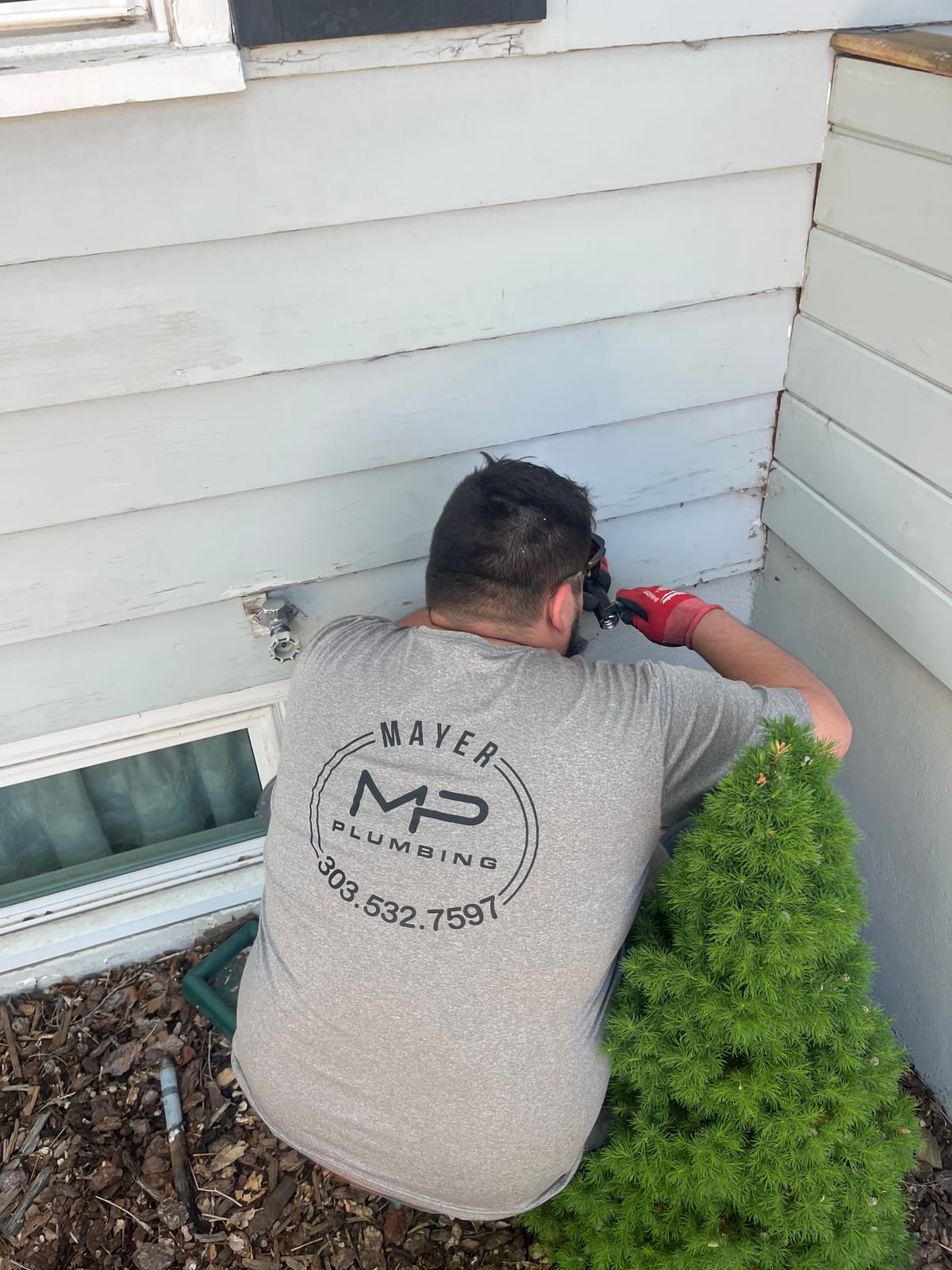
- Disconnect garden hoses and shut off and drain outdoor faucets.
- Insulate exposed pipes in unheated spaces with foam pipe sleeves.
- Seal gaps and cracks where cold air can reach your pipes.
- Know where your main shutoff valve is in case a pipe does burst.
During a Hard Freeze
- Let a faucet drip slightly; moving water is far less likely to freeze.
- Open cabinet doors under sinks to let warm air reach the pipes.
- Keep your thermostat at a consistent temperature, day and night.
- If you travel, never set the heat below 55 degrees.
A single burst pipe can release hundreds of gallons of water into your home. Prevention is always cheaper than the cleanup.
What to Do if a Pipe Freezes
If you turn on a faucet and only a trickle comes out, you likely have a frozen pipe. Keep the faucet open, and gently warm the frozen section with a hair dryer or towels soaked in warm water, starting near the faucet and working back. Never use an open flame. If you cannot locate the freeze or a pipe has already burst, shut off the water and call us.
Worried about your pipes this winter? Mayer Plumbing can insulate vulnerable lines and respond fast if a pipe freezes or bursts. Call (303) 532-7597, day or night.
Need a Plumber in Berthoud?
Get fast, same-day service with upfront pricing and a workmanship warranty on every job. Call our licensed plumbers today.
Call (303) 532-7597